Afrobeats' Evolution Post-Fela Kuti: Commercial Triumph vs. Political Roots in the Spotlight
As Afrobeats continues its explosive global rise in 2026, conversations about its lineage from Fela Kuti's revolutionary Afrobeat remain fervent. Fela's genre-blending sound—fusing highlife, jazz, funk, and Yoruba rhythms—was never just entertainment; it was a bold tool for political activism, social critique, and pan-African consciousness. His music confronted corruption, colonialism, and injustice head-on, often landing him in conflict with Nigerian authorities.
Fast-forward to today, and Afrobeats (note the plural "s") has become a commercial juggernaut, dominating charts from Lagos to London and beyond. The genre's shift from protest anthems to feel-good vibes, party anthems, and luxury lifestyles has sparked ongoing debates: Has Afrobeats drifted too far from its politically charged roots, prioritizing global appeal and "soft life" over substance? Or does its focus on joy, success, and cultural pride carry its own form of empowerment in a changed world?
A recent flashpoint came with Wizkid's public dispute with Seun Kuti (Fela's son), highlighting tensions between modern Afrobeats' commercial success and Fela's activist legacy. Yet, amid these discussions, one 2026 release has been hailed by many as the genre's elite drop so far: the collaborative REAL, Vol. 1 EP by Wizkid and Asake.
Released on January 23, 2026, the four-track project (produced primarily by Magicsticks) clocks in at just over 10 minutes but packs undeniable chemistry. Tracks like "Turbulence," "Jogodo," "Iskolodo," and "Alaye" blend Wizkid's smooth, melodic finesse with Asake's high-energy, street-rooted delivery. Elements of amapiano, Afro-fusion, log-drums, brass, and percussion create a breezy, danceable sound that's unapologetically celebratory—focused on partying, flexing success, and Lagos nightlife rather than overt political messaging.
Critics and fans have praised it as a cross-generational masterpiece: Wizkid (the veteran global ambassador) and Asake (the newer wave's breakout star) deliver authentic, effortless vibes that feel "indisputably authentic to the genre." Magicsticks' production has been called a standout, elevating the EP to "elite" status with groovy, innovative beats that push contemporary Afrobeats forward. The project quickly topped charts on Apple Music Nigeria (holding #1 for weeks) and amassed massive streams, proving its commercial dominance.
Yet, this very success fuels the broader debate. While Fela's Afrobeat was built to confront and resist, REAL, Vol. 1 embodies the modern Afrobeats ethos: pleasure, escapism, and cultural confidence in a globalized era. Some argue this evolution reflects changing realities—postcolonial Nigeria's challenges have shifted from direct state oppression to economic hustle, diaspora mobility, and weakened governance. Others maintain that true homage to Fela requires reclaiming music's activist potential, warning against diluting its revolutionary spirit for mainstream appeal.
The discourse isn't new, but 2026's releases and controversies keep it alive. REAL, Vol. 1 stands as a shining example of where Afrobeats is now: commercially unstoppable, sonically fresh, and deeply rooted in Nigerian pride—even if the politics are subtler or internalized.
As the genre evolves, one thing is clear: Fela's influence endures, whether through direct lineage or as a benchmark for authenticity. The question remains—can Afrobeats honor its origins while conquering the world on its own terms?
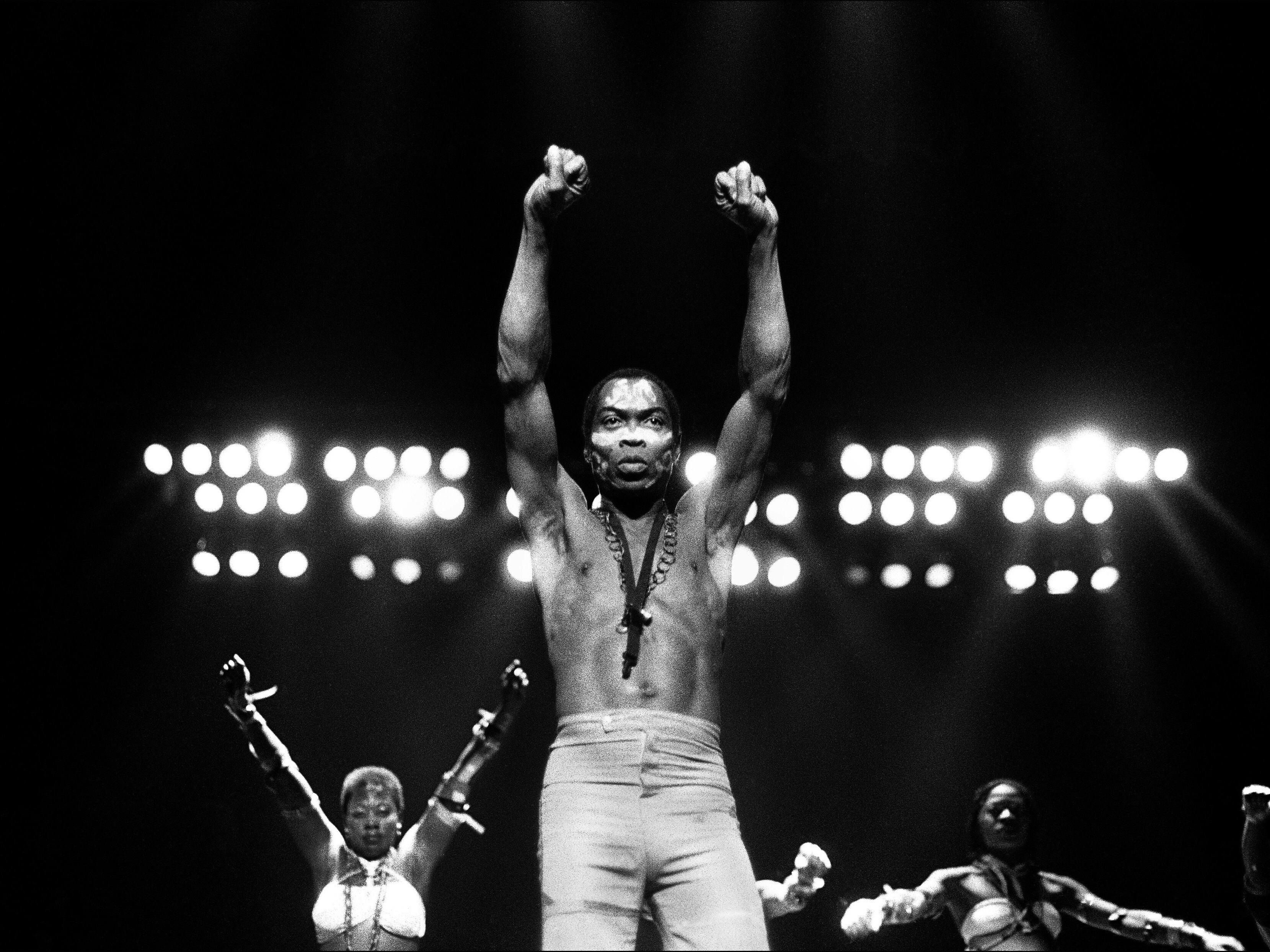

What side of the debate are you on—pure vibes or more Fela-style fire? Drop your thoughts! 🎶🇳🇬
Comments
Post a Comment